
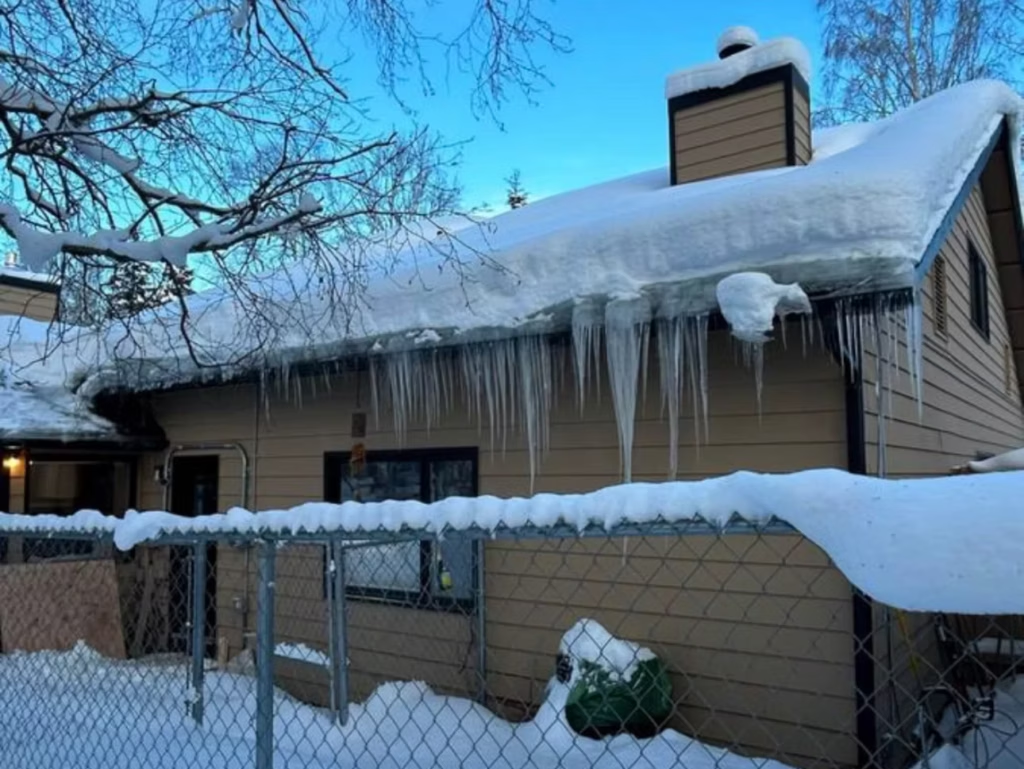
Snow on your roof and ice forming along the edges can be concerning, especially if you’re not sure what’s normal and what’s a real problem.
There’s a lot of misinformation out there, and I see a lot of homeowners stressing when they may not need to — and sometimes not stressing when they actually should.
Let’s break it down in a simple, practical way.
Can My Roof Handle the Snow Load?
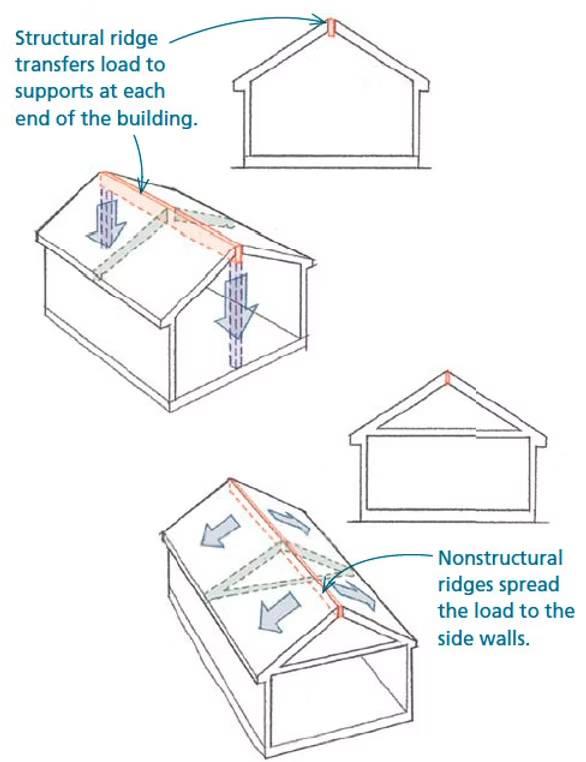
A common question this time of year is whether a roof can handle the weight of the snow on it.
If your house has a roof pitch of 4/12 or steeper (which most homes do), the majority of the weight is transferred outward to the exterior walls, not straight down onto the middle of the structure. The steeper the roof, the more that load is carried by the walls, which generally means less risk of collapse from snow alone.
Where things can get sketchy is with lower-slope roofs and with older construction. A lot of pre-2000 homes — and even some built after — were framed with 2×4 trusses, which are not rated for today’s common snow-load requirements (around 70 lbs per square foot in our area).
If you’re curious what you have, you can usually check by taking a look in your attic and seeing the size of the truss chords.
It’s also worth mentioning: most of the roof collapses you hear about are older, flat-roofed commercial buildings, not typical residential homes. That doesn’t mean problems can’t happen — but a lot of people panic because of news stories that don’t really apply to their situation.
The Bigger Issue for Most Homes: Ice Dams
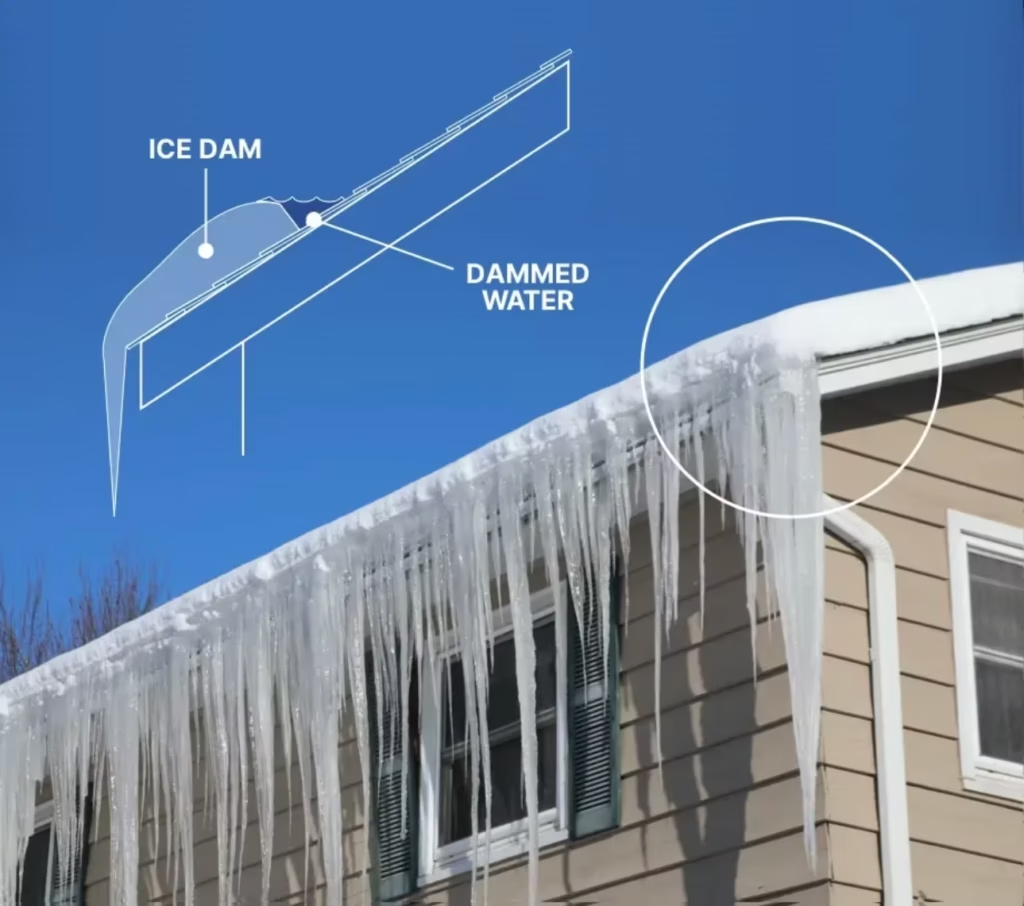
Even if your roof structure can handle the snow, there’s another major concern: ice dams.
Snow is what feeds ice dams. If you’ve had ice buildup in the past, keeping the roof edge cleared with a roof rake can help reduce how much ice develops.
Here’s what’s actually happening when ice dams form:
- Heat escapes from your house into the attic
- That heat melts the snow on the upper part of the roof
- The water runs down to the overhang
- The overhang is cold (no heat underneath), so the water freezes
- Ice slowly builds up, layer by layer, throughout the winter
Eventually, that ice can build back up over the exterior wall. Since there’s still heat under that part of the roof, water begins to pool behind the ice dam.
When it gets warm enough, that pooled water melts and has nowhere to go — so it backs up under the shingles and into the house, showing up as:
- Water stains on ceilings or walls
- Dripping from light fixtures
- Moisture around windows
- Icicles forming on siding or soffit
At that point, the damage is already happening.
Ice Dam Removal: How Roofs Get Damaged.
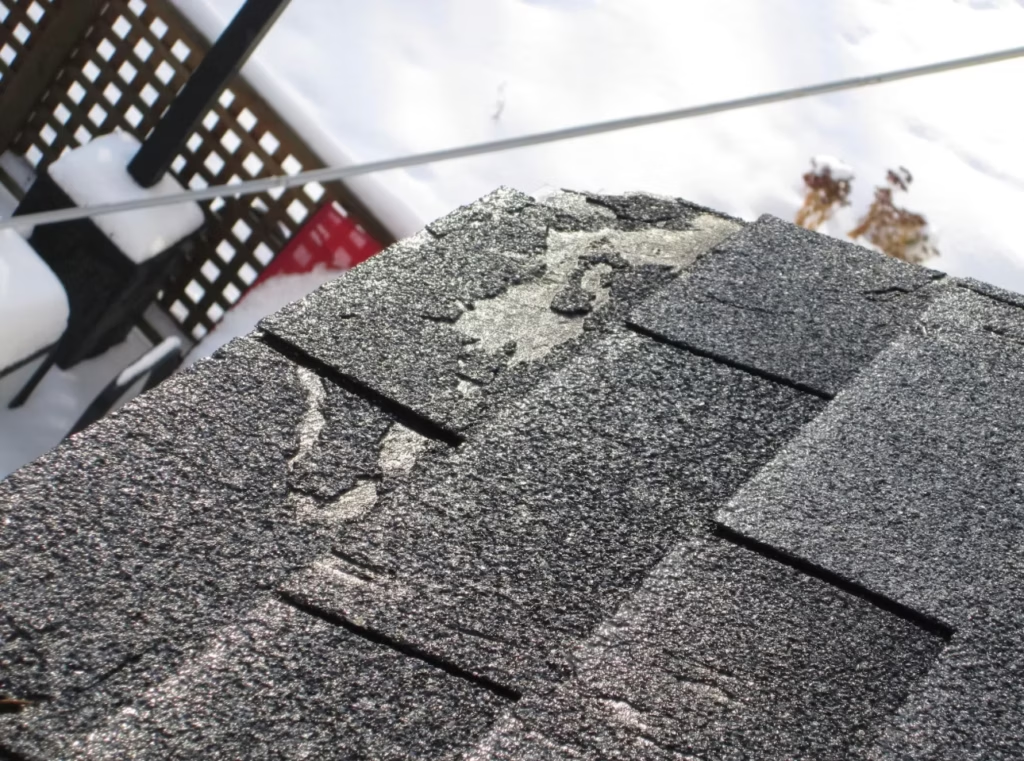
damage from hot pressure washer
You’ve probably seen ads for snow and ice dam removal on Facebook or Craigslist. The important question isn’t if someone can remove the ice — it’s how they plan to remove it.
Unfortunately, we see a lot of roofs damaged by:
- Hammers
- Hatchets
- Shovels
- Pry bars
- Even hot pressure washers
That kind of damage can easily turn into a $10,000 roof repair, all from trying to solve a short-term problem.
The only safe and effective way to remove an ice dam is with a steam system specifically designed for ice dam removal. It melts the ice without damaging shingles, underlayment, or flashing.
If you ever need an ice dam removed, ask your contractor this question:
“Do you use an Arctic Steamer for ice dams?”
If the answer is no, that’s a big red flag.
The Long-Term Fix: Stop the Heat From Escaping
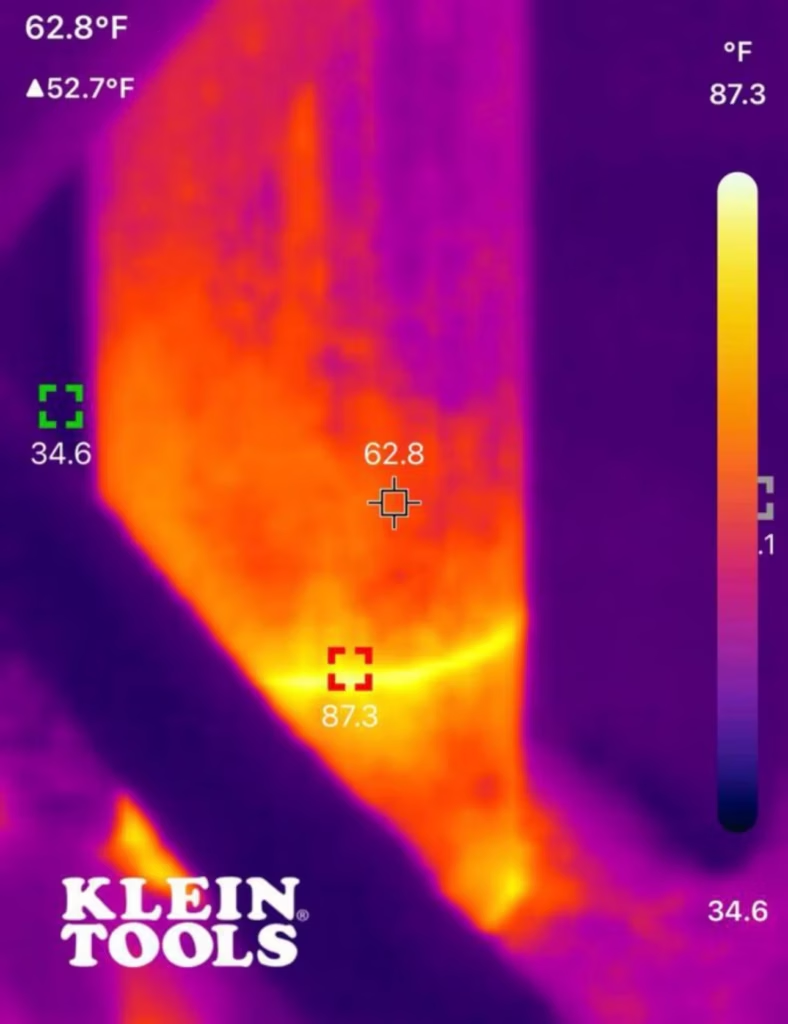
The real goal isn’t removing ice every winter — it’s preventing it from forming in the first place.
Most people assume ice dams are caused by:
- Not enough insulation
- Poor ventilation
Sometimes that’s true, but more often than not, the main issue is air leaks from the house into the attic.
Common problem areas are:
- Around stove and vent pipes
- Electrical wiring holes
- Bathroom fan housings
- Can lights in ceilings
If these weren’t properly sealed when installed, warm air constantly drafts into the attic. Your roof ventilation can’t keep up with that much heat, and the snow starts melting from underneath.
One of the best ways to find these issues is with an infrared thermal camera, which shows exactly where the hot spots are in the attic. Once those air leaks are properly sealed, ice dams stop forming.
Final Thoughts
Snow on your roof doesn’t automatically mean danger, and ice dams aren’t unsolvable.
Understanding what’s actually happening helps you make better decisions, avoid unnecessary panic, and avoid paying for repairs that could have been prevented in the first place.
If you’d like help identifying where heat may be escaping from your home or have questions about ice dam prevention, K-Bay Ice Dam Company provides inspections and guidance focused on long-term solutions, not just temporary fixes. Please reach out with any questions or to learn more!
Kaden Zimmerman
K-Bay Roofing LLC
dba: K-Bay Ice Dam Company
907-931-0240